
Skip to content
Nadia LuongLiving Library
What Remains NLL–2026.002 Nadia Luong Living Library

The Version of Me You Raised

A child learning to clear the evidence from her face.

When I fell, you did not reach for me. When I cried, you told me to stop. When I came to you with something hurting, you listened until your eyes moved toward the door.
I learned early to finish my crying somewhere else— face turned into the crook of my arm, breath held until the shaking stopped.
You said you were making me stronger. The world would not always be gentle. I needed to stop bruising so easily. I needed to learn how to steady myself without reaching.
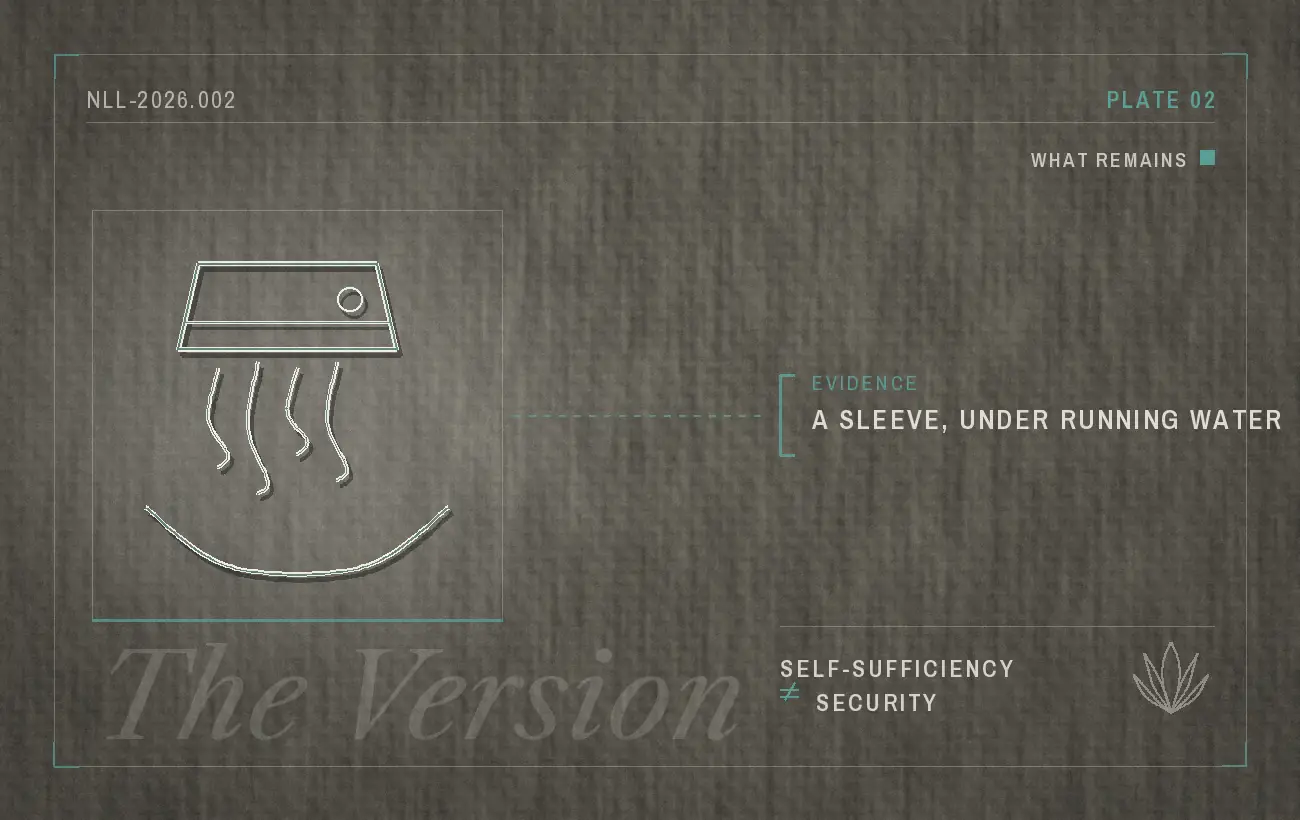
So I began to leave pain in places you could not see: under running water, against the fabric of my sleeve, in the few minutes before I came back downstairs.
I learned to clear the evidence from my face. I measured every hurt against the sound of your voice saying, You can handle this. I learned to ask myself whether reaching for you would prove I could not.
And still, the less affection I received, the more precisely I looked for it— a softer voice, your hand pausing on my shoulder, the space beside you left open. Some proof that needing you had not disappointed you.
You thought you were teaching me not to need comfort. I was learning to need it without asking. I was learning to call that strength.
But being taught that I could stand after falling was not the same as being taught that no one should help me rise.
You wanted to prepare me for a world that might watch me fall, call the bruise a lesson, and hand me back my own weight.
Instead, I carried your lesson past childhood: make the hurt unreadable, erase the evidence, be standing before anyone knows I fell.
I thought strength meant keeping my face still while every part of me waited to be noticed.
Now I know the strongest thing I can do when I fall is let the falling be witnessed— let someone come close, let them see what the fall cost me, and rise without pretending I was never hurt.

After reading the poem

Children adapt quickly to the emotional conditions around them. Sometimes that adaptation is later mistaken for personality.

The child in this poem learns that needing comfort may be treated as weakness. She does not stop needing reassurance; she learns to hide the evidence. From the outside, it looks like independence. Inside, vulnerability has become private, pain something to manage alone, and self-sufficiency a condition of belonging.

The adult speaker does not reject strength. She revises it. Standing back up after a fall can be resilience. Believing no one should see the fall, or help with the rising, is something else.

What became visible

Self-Sufficiency≠Security
Resilience≠Concealment
Not Asking≠Not Needing

Intellectual value

Shows how a childhood adaptation can harden into an adult identity, and how independence can begin as a response to comfort that was not there. Strength, the poem suggests, can include letting hurt be witnessed.